When it comes to autism, the spotlight has long focused on boys and teens, leaving many girls in the shadows. Female autism symptoms of social communication often blend into the background, making early detection a real puzzle. In this guide, we’ll unpack why these signs can be hard to spot, what they look like in everyday life, and how families, friends, and professionals can help shine a light on the hidden struggles.
Why Female Autism Often Goes Undetected
Did you ever wonder why a girl who seems “just shy” can actually be navigating a maze of social cues that feels like a foreign language? The answer lies partly in societal expectations and partly in the brain’s wiring. Girls are socialized to be more cooperative and empathetic, which can mask the very challenges that define autism. As a result, many female autism symptoms of social communication slip past teachers, clinicians, and even close friends.
- Masking as a survival strategy: Girls often learn to mimic social behaviors, a process known as “masking.” High-functioning profiles: Many women exhibit strong verbal skills, which can divert attention from deeper communication difficulties. Overlap with other conditions: Anxiety, depression, or eating disorders can appear alongside autism, further muddying the diagnostic waters.
Because of these factors, a diagnosis can arrive late—sometimes in adulthood—when the cumulative toll on mental health becomes undeniable.
Common Social Communication Signs in Women
When you look for female autism symptoms of social communication, you’ll notice patterns that differ subtly from the textbook image of a boy with autism. Below are some key indicators that often go unnoticed.
Difficulty Reading Social Cues
A woman may struggle to interpret body language, tone, or facial expressions—especially when subtle. This can lead to awkward conversations or missed friendships. The classic “I thought she was laughing at me” moment is all too common.
Intense Focus on Specific Interests
While a boy might become a master of trains, a girl might obsess over a niche hobby—say, vintage fashion or a particular book series. These deep interests can become a safe haven, Learn more but they also isolate her from broader social interactions.
Social Anxiety and Overwhelm
The pressure to fit in can create chronic anxiety. Many women report feeling “stuck in a social maze,” where every conversation feels like a test. The result is often avoidance of social settings, which reinforces isolation.
Sensory Overload in Group Settings
Large gatherings—parties, classrooms, or work meetings—can feel like a sensory storm. The noise, bright lights, and crowded spaces can overwhelm, leading to withdrawal or meltdowns.
Difficulty Initiating or Maintaining Conversations
Starting a chat might feel like launching a rocket. Even once a conversation is underway, keeping it flowing can be exhausting. The result? Short, Great post to read fragmented interactions that leave both parties feeling unsatisfied.
> “It’s like trying to talk to someone who’s speaking a different language, even though they’re using the same words.” – Dr. Maya Patel, Autism Specialist
Navigating Social Cues: A Closer Look
Understanding the mechanics of social communication can demystify many of the challenges women face. Think of social interactions as a dance—each step, pause, and turn requires a shared rhythm. For those with autism, that rhythm can feel out of sync.
The Power of Nonverbal Signals
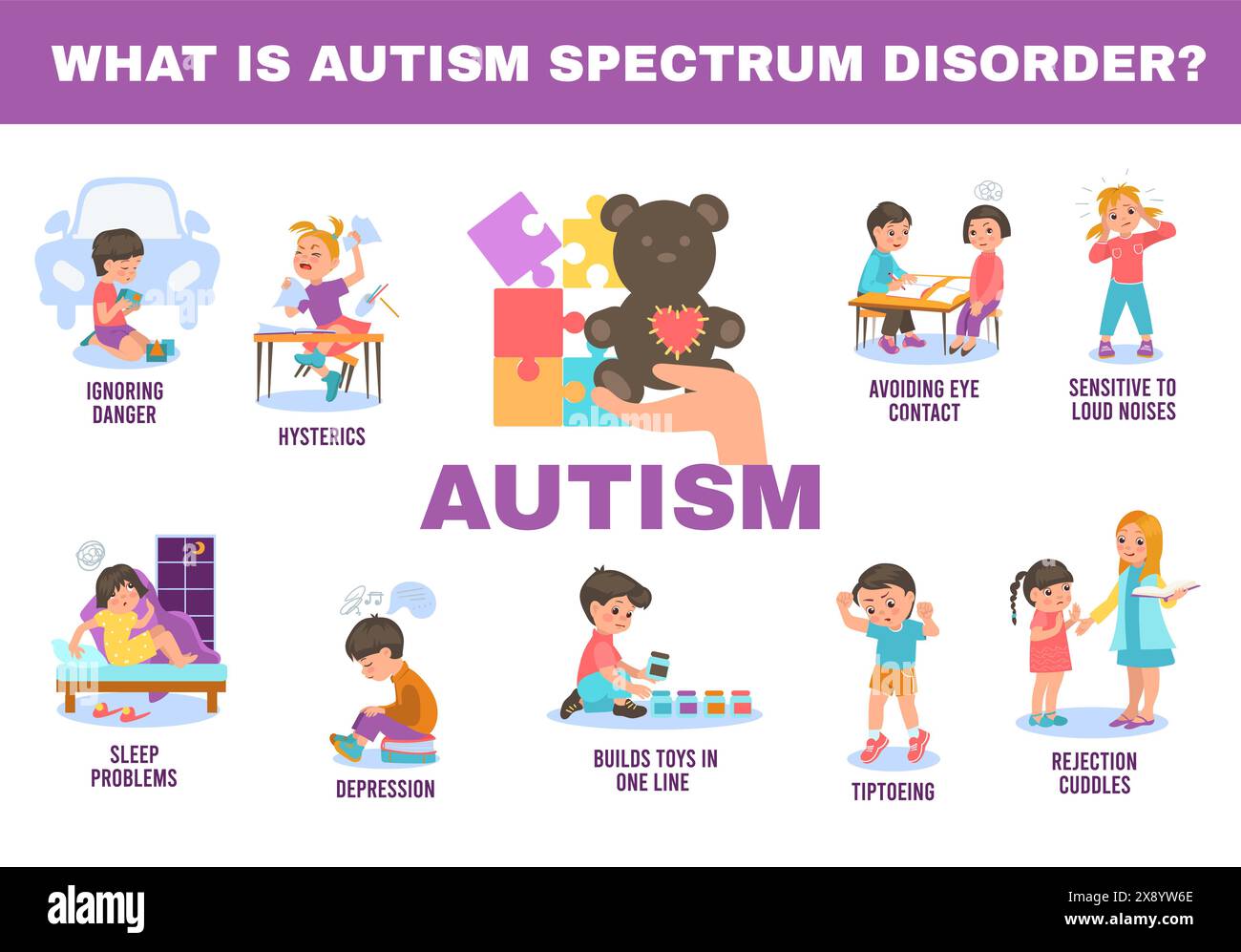
- Eye contact: Women with autism often avoid prolonged eye contact, not out of disrespect but because it feels intrusive. Gestures: Subtle hand movements or nods can be missed, leading to misinterpretation. Tone of voice: A sarcastic remark may be taken literally, creating awkwardness.
The Role of Context
Context is king. A joke that lands in a small circle may fall flat in a larger group. Women with autism may not intuitively gauge the “social temperature,” leading to missteps.
Coping Mechanisms
- Pre-planning: Knowing the agenda of a meeting can reduce anxiety. Grounding techniques: Breathing exercises or sensory tools (like stress balls) help stay present. Social scripts: Practicing common phrases can boost confidence in spontaneous conversations.
Support Strategies and Resources
If you suspect a friend, family member, or colleague is experiencing female autism symptoms of social communication, there are concrete steps you can take. Below is a concise action plan.
- Encourage a professional evaluation: Suggest a referral to a psychologist or developmental specialist. Create a safe space: Let them know you’re there to listen without judgment. Educate yourself: Understanding autism’s nuances can foster empathy and reduce frustration. Leverage technology: Apps that track mood or social cues can provide insight. Join support groups: Community connections can validate experiences and share coping strategies.
Quick Reference Checklist
| Situation | What to Watch For | How to Respond |
|-----------|-------------------|----------------|

| New social setting | Hesitation, avoidance | Offer a “buddy” to join the conversation |
| Group conversation | Difficulty following | Summarize key points, ask clarifying questions |
| Work meeting | Overwhelm, sensory overload | Suggest a short break, provide written agenda |
What to Do If You Suspect a Diagnosis
It’s one thing to observe symptoms; it’s another to take action. If you think someone might have autism, here’s a step-by-step guide.
Gather observations: Keep a journal of behaviors and contexts. Consult a professional: A developmental pediatrician or clinical psychologist can conduct a comprehensive assessment. Discuss the results: If a diagnosis is confirmed, celebrate the clarity. Plan accommodations: Work with schools, employers, or therapists to implement supports. Follow up: Regular check-ins ensure strategies remain effective. Remember, early intervention can transform the trajectory of social communication challenges, turning potential roadblocks into stepping stones.Charting a Path Forward
Understanding female autism symptoms of social communication is the first stride toward empowerment. By recognizing the subtle signs, offering compassionate support, and advocating for tailored resources, we can help women navigate the social world with confidence.
If you’re ready to make a difference—whether it’s for yourself, a loved one, or a community member—start by sharing this knowledge. Knowledge is the light that turns the maze into a map. And who knows? The next conversation might be the one that changes everything.