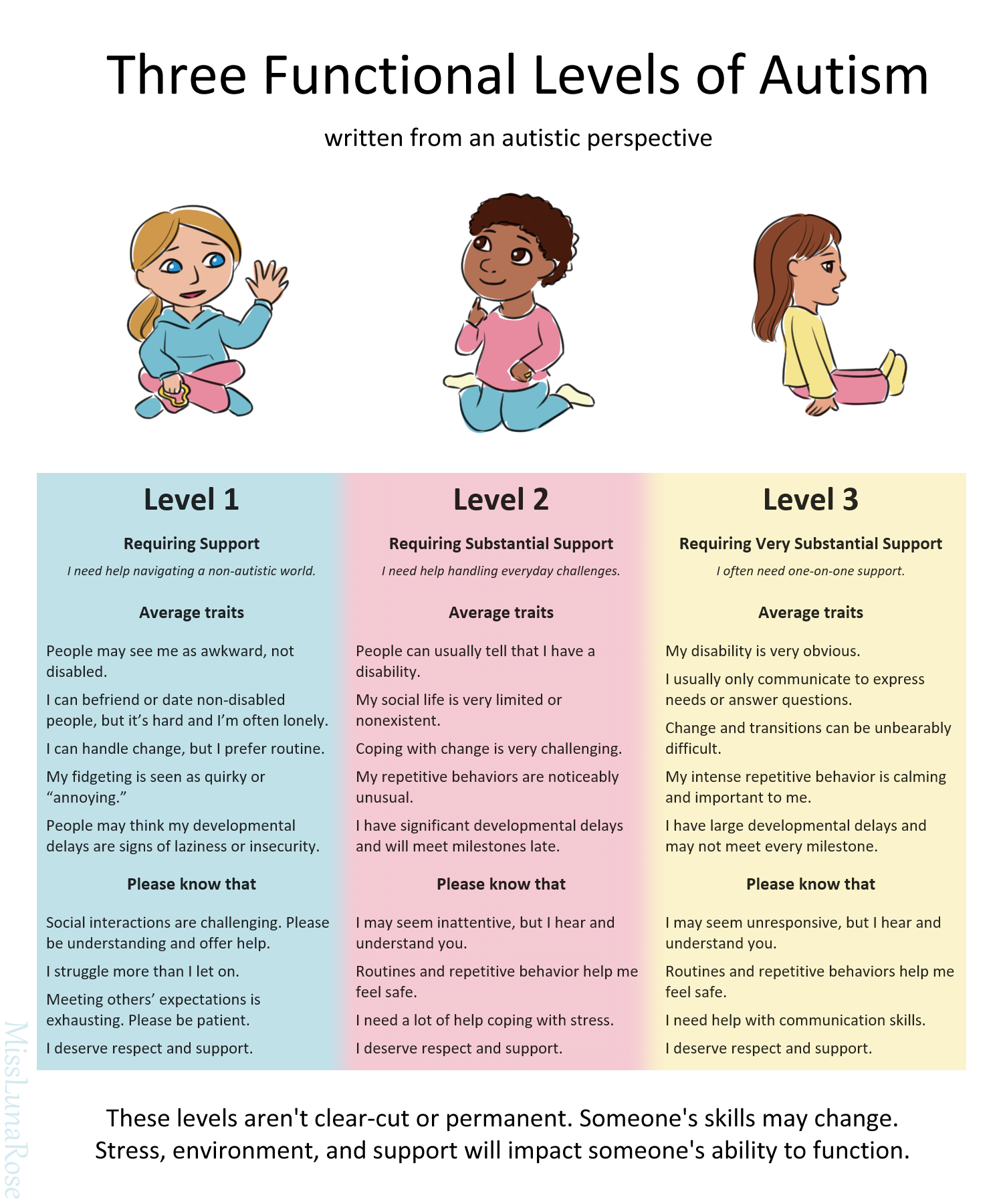
When a bright, curious girl with autism starts to show subtle signs of struggle, parents and teachers often wonder, What are the early school counseling referrals for girls with autism? This guide breaks down the answer in plain language, sprinkled with a dash of humor, and ends with a call to action that feels less like a lecture and more like a friendly nudge.
Understanding the Need: Why Early Referrals Matter
Early intervention is like catching a snowball before it turns into a blizzard. For girls with autism, the social nuances and academic expectations can be a double-edged sword. If we wait until the snowball has become a full‑blown avalanche, the recovery can be much harder. The sooner we spot the first signs and refer for counseling, the smoother the path to support.
Unique Challenges Faced by Girls with Autism
Girls often mask their difficulties better than boys. They may:
- Blend in by copying peers, masking anxiety. Internalize frustration, leading to heightened stress. Show subtle social cues that teachers might overlook.
Because of these subtle signals, the question What are the early school counseling referrals for girls with autism in girls signs autism? becomes even more critical.
The Role of School Counselors
School counselors are the frontline detectives in the educational system. They:
- Observe classroom dynamics. Talk to teachers, parents, and students. Coordinate resources like IEPs, 504 plans, and social groups.
Their referral decisions can set the tone for a student’s academic and emotional journey.
Identifying Early Indicators
Spotting the first red flag is like finding a single drop in a storm—small but telling. Here’s what to watch for:
Social and Emotional Cues
- Avoidance of eye contact during group discussions. Difficulty interpreting sarcasm or humor. Frequent, unexplained tears when faced with routine changes.
Academic and Behavioral Patterns
- Sudden decline in grades without a clear cause. Inconsistent attendance or frequent tardiness. Obsessive focus on a narrow topic, causing distraction from classwork.
When you notice one or more of these, it’s time to consider a referral. Remember, the goal is early detection, not a diagnosis.
The Referral Process: Step‑by‑Step
Think of the referral process as a recipe: each ingredient matters, but the order is crucial.
Gathering Evidence
Collect concrete examples:
- Teacher notes on behavior. Parent observations at home. Any past assessments or evaluations.
Evidence gives weight to the referral and helps counselors design a tailored plan.
Writing the Referral Letter
A concise, respectful letter can make a world of difference. Include:
- Student’s name, grade, and school. Specific concerns with dates and examples. Desired outcomes (e.g., social skills support, sensory accommodations).
Keep it professional, but don’t shy away from personal insight—it humanizes the request.
Collaborating with Teachers and Parents
Open dialogue is the secret sauce. Schedule a meeting with:
- The classroom teacher for classroom insights. Parents for home observations. The counselor for a joint strategy.
A collaborative approach ensures everyone is on the same page and reduces the risk of miscommunication.
Common Referrals and Services
Once the referral is accepted, counselors can recommend a suite of supports tailored to each student’s needs.
Individualized Education Plans (IEPs)
IEPs are like custom road maps. They outline:
- Specific learning goals. Accommodations (e.g., extra time on tests). Service providers (e.g., speech therapists).
504 Plans
For students whose challenges don’t qualify for an IEP, a 504 plan can still provide accommodations such as:
- Preferential seating. Modified assignments.
Social Skills Groups
These groups function like practice fields. They allow students to:

- Role‑play conversations. Learn non‑verbal cues. Build confidence in a safe environment.
Sensory Integration Therapy
If sensory overload is a hurdle, therapists can:
- Design sensory diets. Introduce calming tools (e.g., fidget toys, weighted blankets).
Practical Tips for Parents and Educators
Here’s a quick checklist to keep the referral engine running smoothly:
- Stay observant: Keep a daily log of behaviors. Communicate early: Don’t wait for a crisis. Ask questions: Clarify what services are available. Advocate confidently: Your voice matters. Follow up: Ensure the plan is implemented.
A Lighthearted Look: Humor in Support
Picture a teacher trying to explain a math problem to a student who’s more interested in the class pet. It’s a classic “whoops” moment that reminds us all that learning is a shared adventure—sometimes a bit chaotic, but always worth it. A laugh can break tension and open doors to deeper conversations.
Anecdote
Last year, a counselor named Maya (no relation to the famous actress) noticed a shy girl named Lila who’d been doodling in the margins of her math worksheets. Maya approached her with a playful question: “If you could invent a new math symbol, what would it look like?” Lila’s eyes lit up, and the conversation sparked a series of sessions that helped Lila build confidence and a love for numbers. The lesson? A gentle nudge and a bit of humor can unlock doors that seem locked.
The Road Ahead: Empowering the Journey
“Education is the passport to the future, for tomorrow belongs to those who prepare for it today.” — Malcolm X (re‑imagined for our context). This quote reminds us that early referrals aren’t just paperwork—they’re the first step toward a brighter, more inclusive future for every girl with autism.
Taking the First Step
The question What are the early school counseling referrals for girls with autism? is more than a query; it’s a call to action. If you’re a parent, teacher, or advocate, start by observing, documenting, and reaching out. The sooner you act, the sooner a student can thrive.
Remember, every referral is a seed planted in fertile soil. With the right care—support, collaboration, and a dash of humor—those seeds can grow into resilient, confident individuals ready to tackle the world.